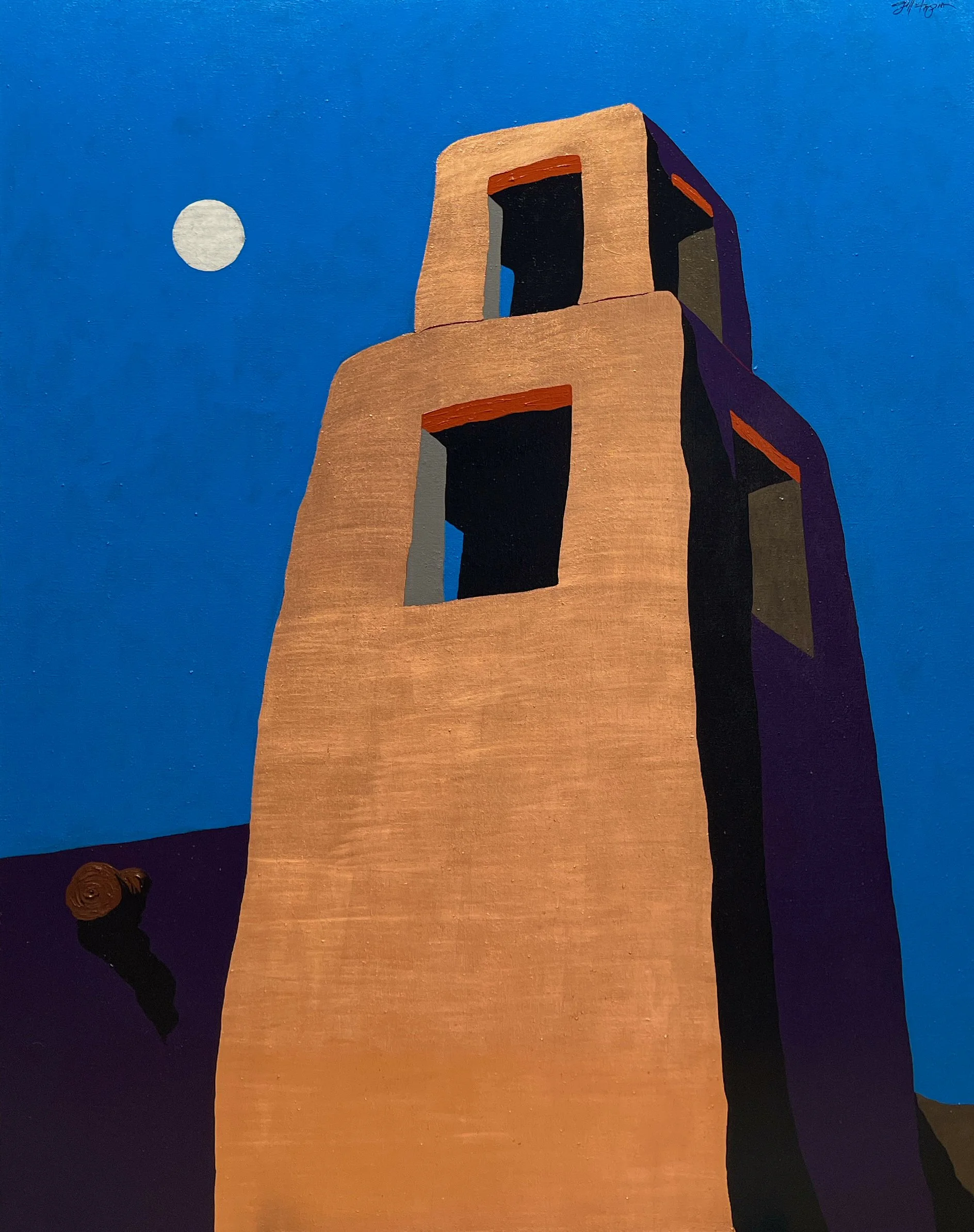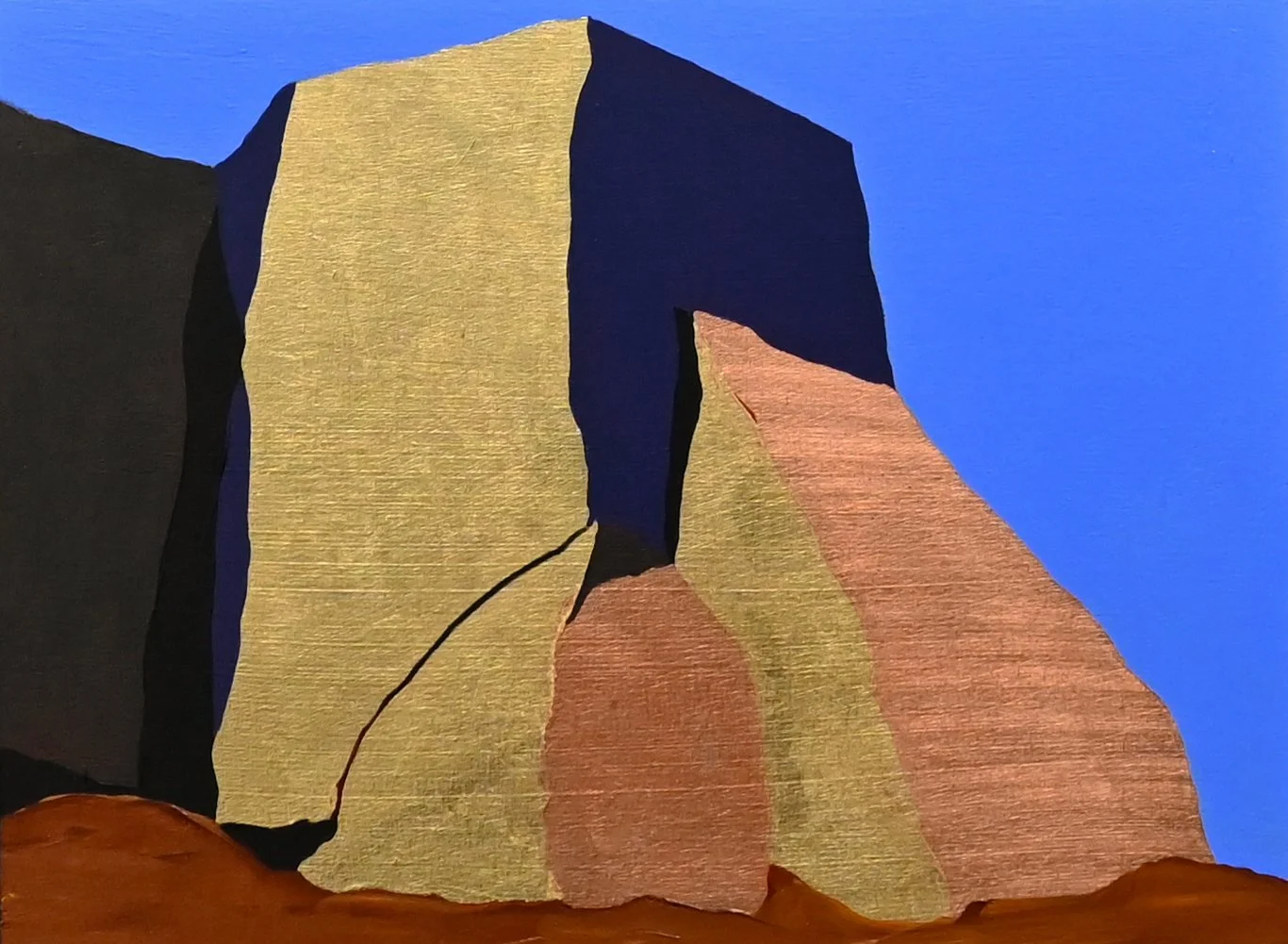


Cerro Gordo - just off Canyon Road in Santa Fe, NM
SILVER LEAF AND ACRYLIC ON PANEL
32 INCHES X 42 INCHES
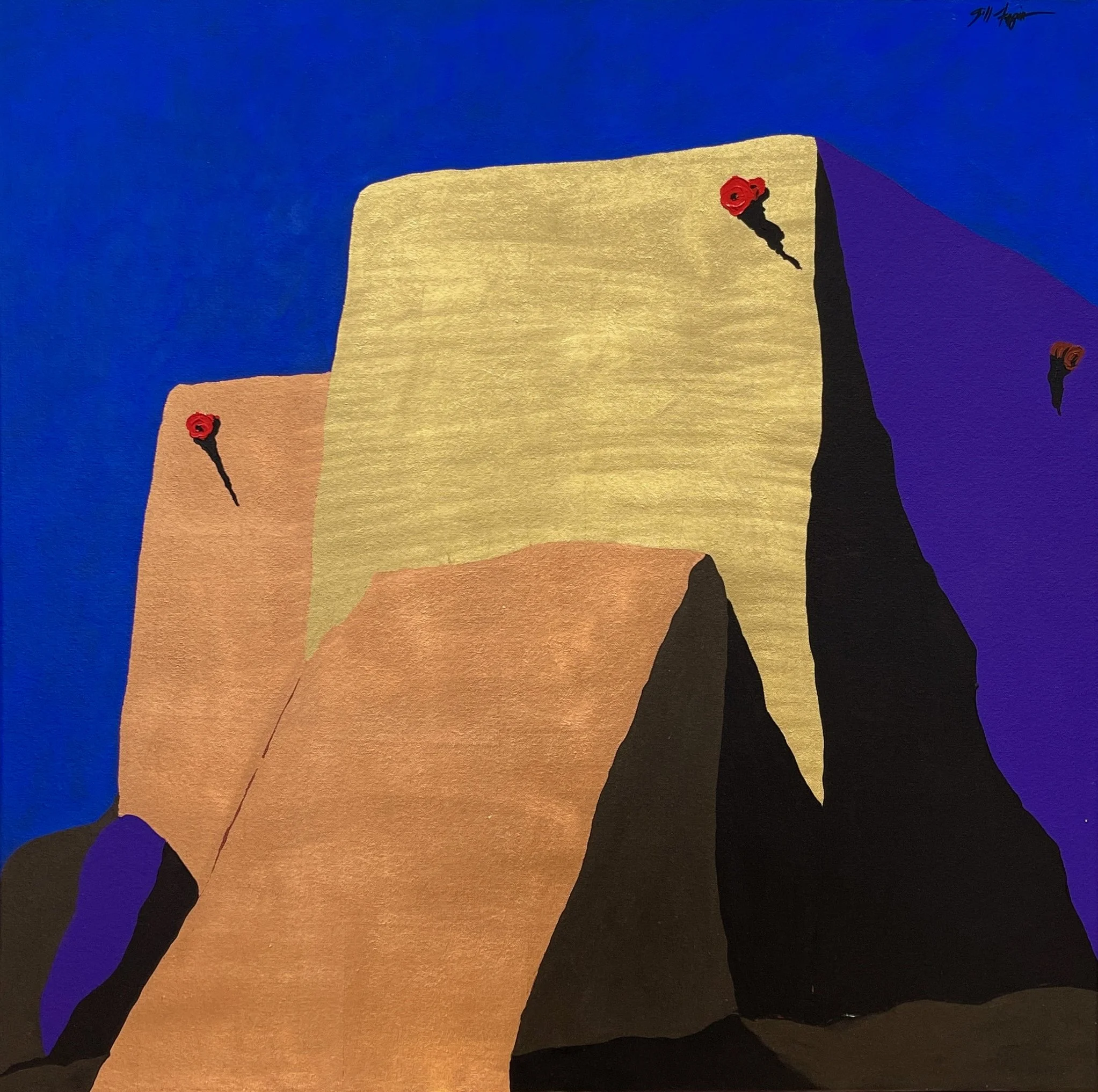
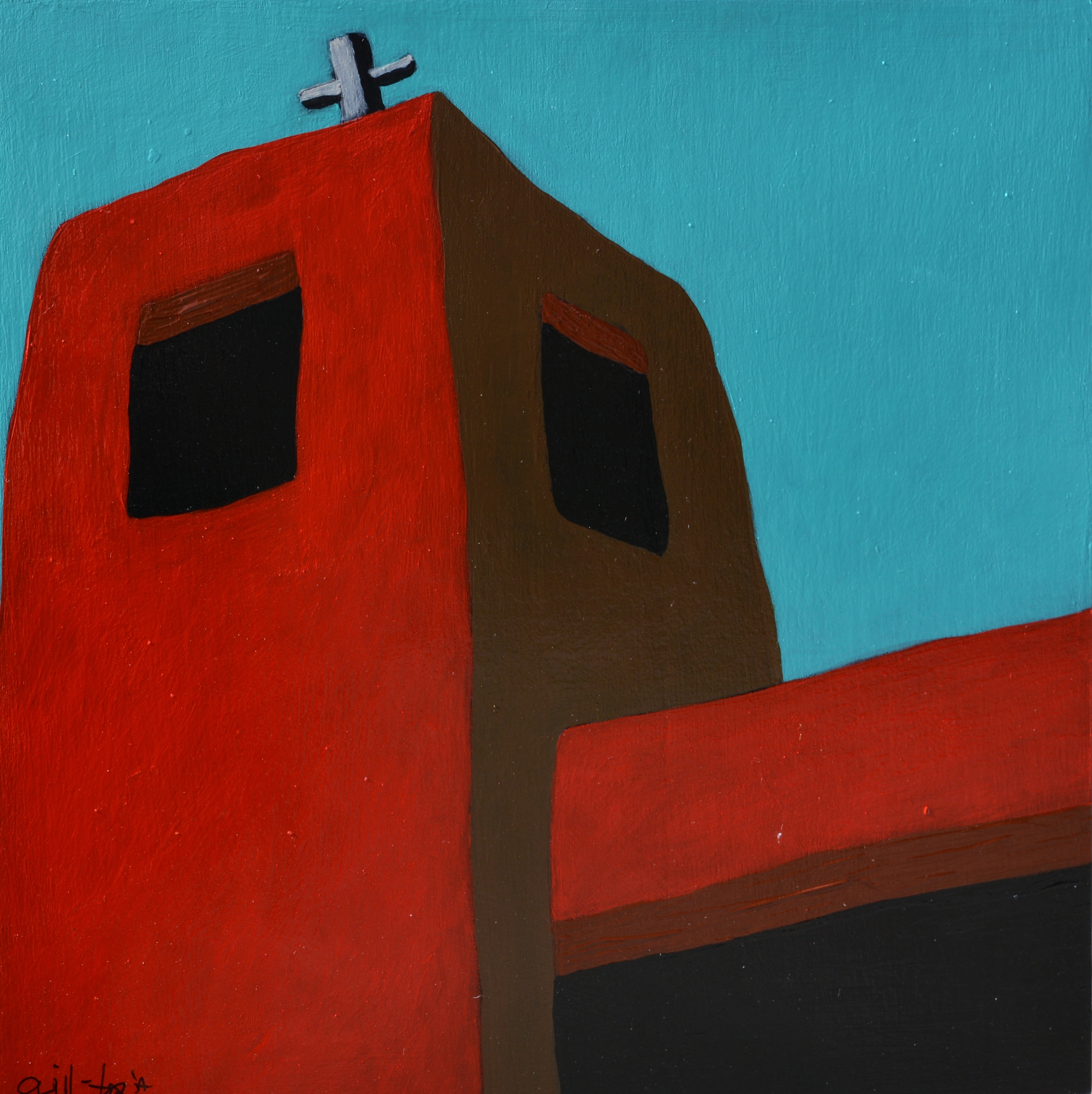
Painting at the San Francisco in Taos - always makes for a beautiful afternoon.
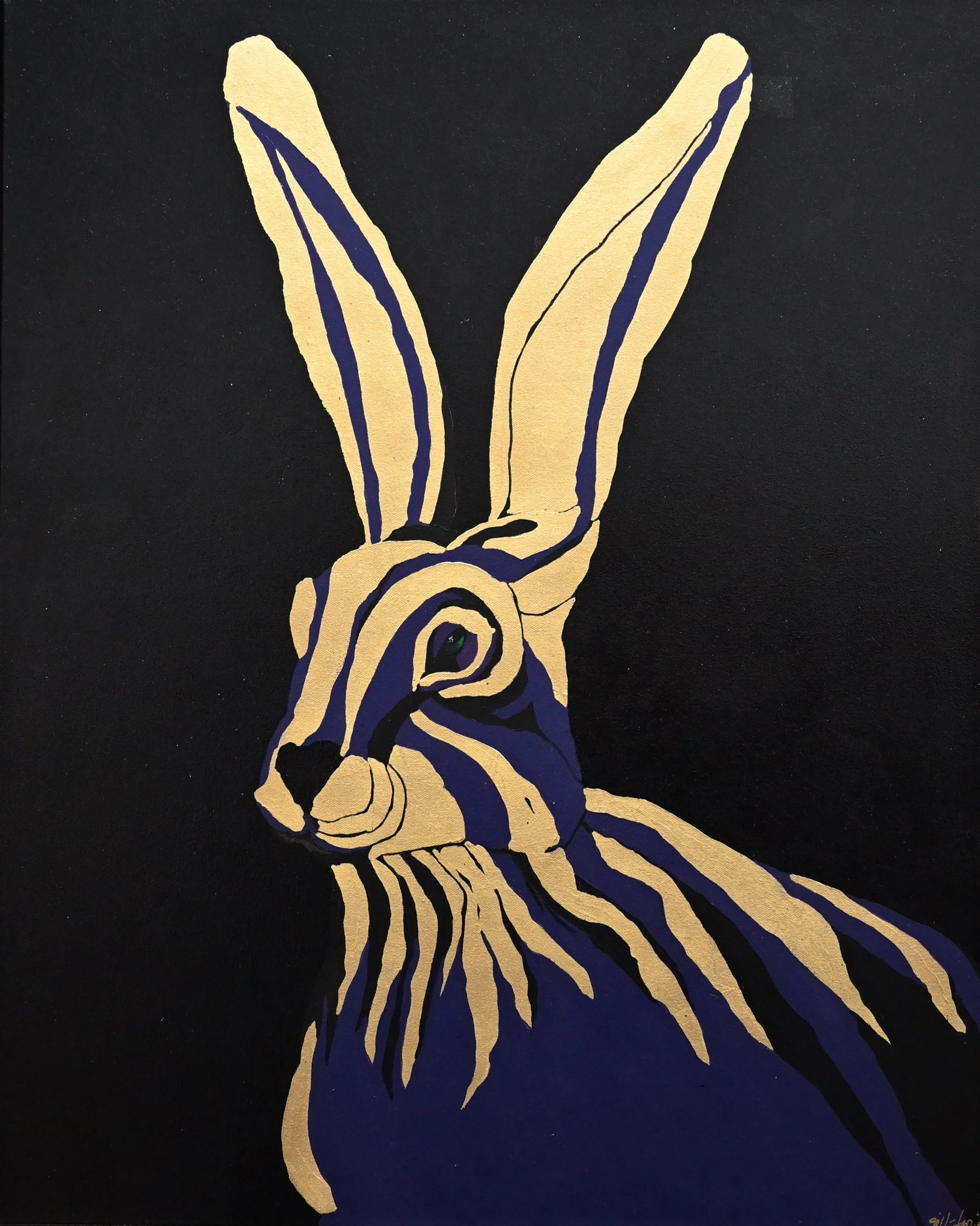
GOLD LEAF AND ACRYLIC ON PANEL
32 INCHES X 42 INCHES
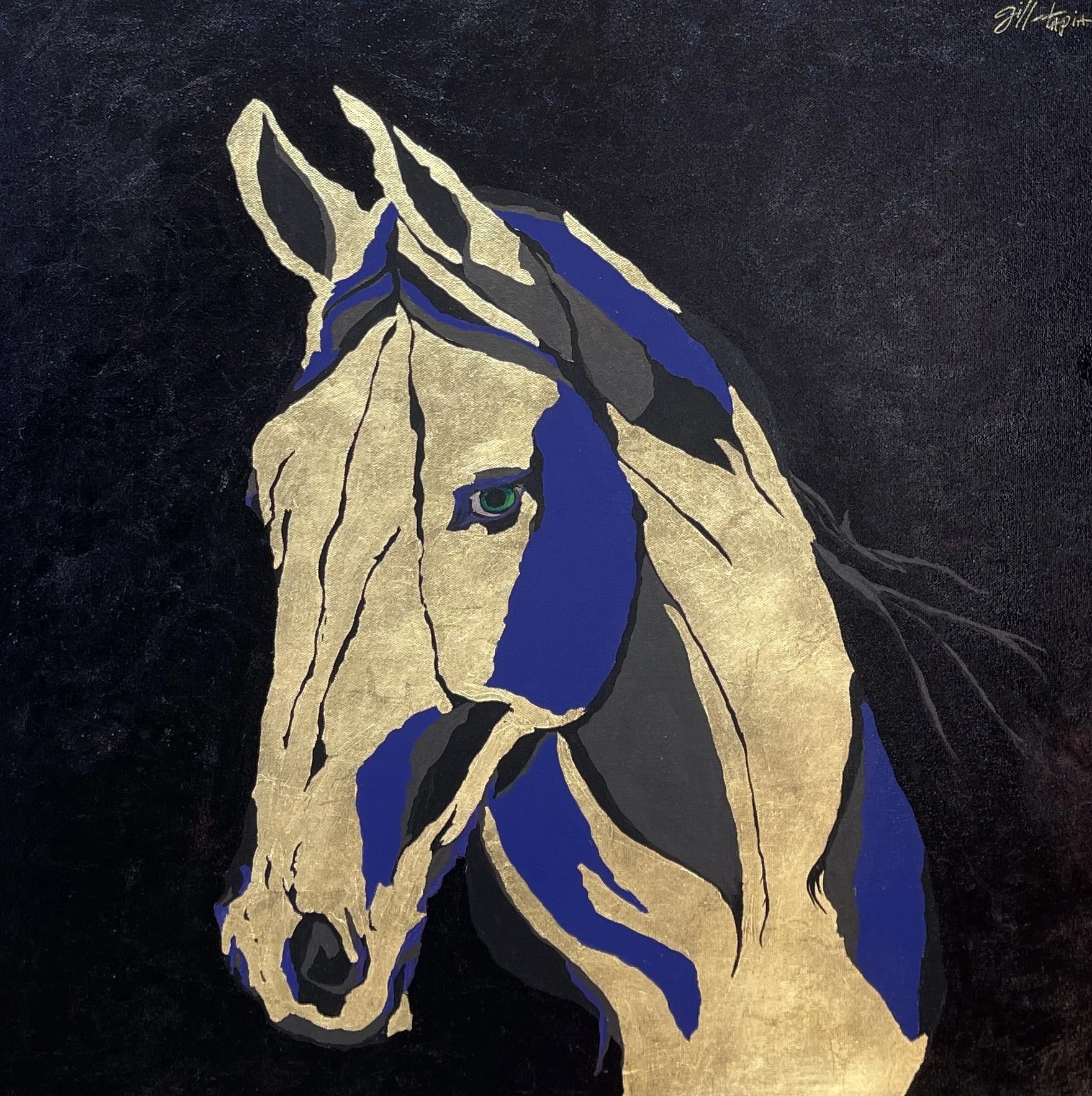
ACRYLIC ON PANEL
18 INCHES X 18 INCHES
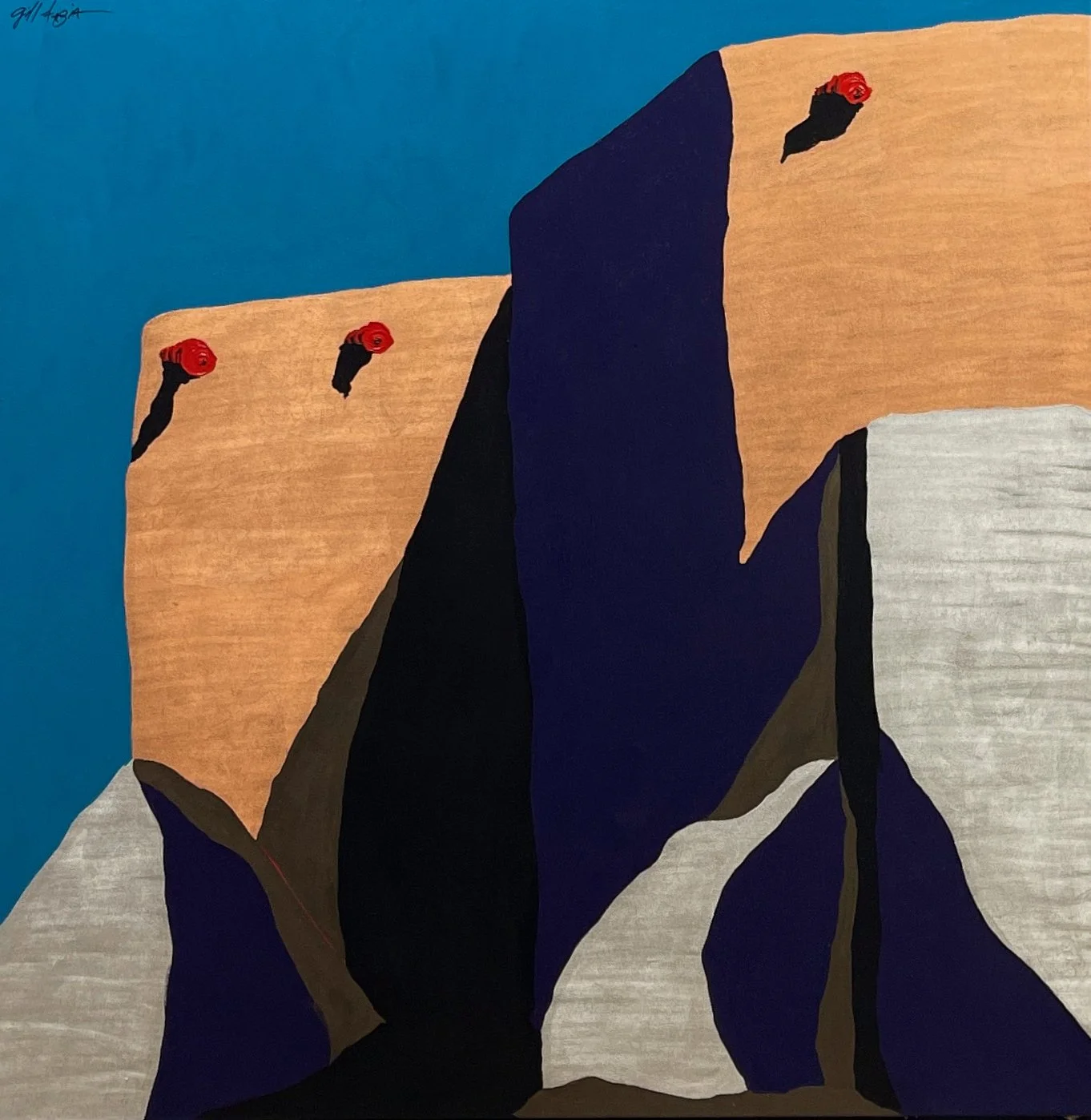
ACRYLIC ON PANEL
36 INCHES X 36 INCHES
SILVER LEAF AND ACRYLIC ON PANEL
36 INCHES X 36 INCHES
ACRYLIC ON PANEL
36 INCHES X 36 INCHES
GOLD LEAF AND ACRYLIC ON PANEL
50 INCHES X 50 INCHES
COPPER LEAF AND ACRYLIC ON PANEL
50 INCHES X 50 INCHES
GOLD LEAF AND ACRYLIC ON PANEL
38 INCHES X 38 INCHES
ACRYLIC ON PANEL
52 INCHES X 52 INCHES
SILVER LEAF AND ACRYLIC ON PANEL
60 INCHES X 60 INCHES
ACRYLIC ON PANEL
38 INCHES X 38 INCHES
ACRYLIC ON PANEL
50 INCHES X 50 INCHES
SILVER LEAF AND ACRYLIC ON PANEL
52 INCHES X 52 INCHES
ACRYLIC ON PANEL
12 INCHES X 12 INCHES
Alvin Gill-Tapia is a contemporary painter whose work is deeply rooted in the cultural, architectural, and familial traditions of northern New Mexico. A native of Santa Fe and a descendant of generations of New Mexican settlers—often described as being part of an extended, multigenerational lineage connected to the region—Gill-Tapia’s identity is inseparable from the land and communities that have shaped his perspective.
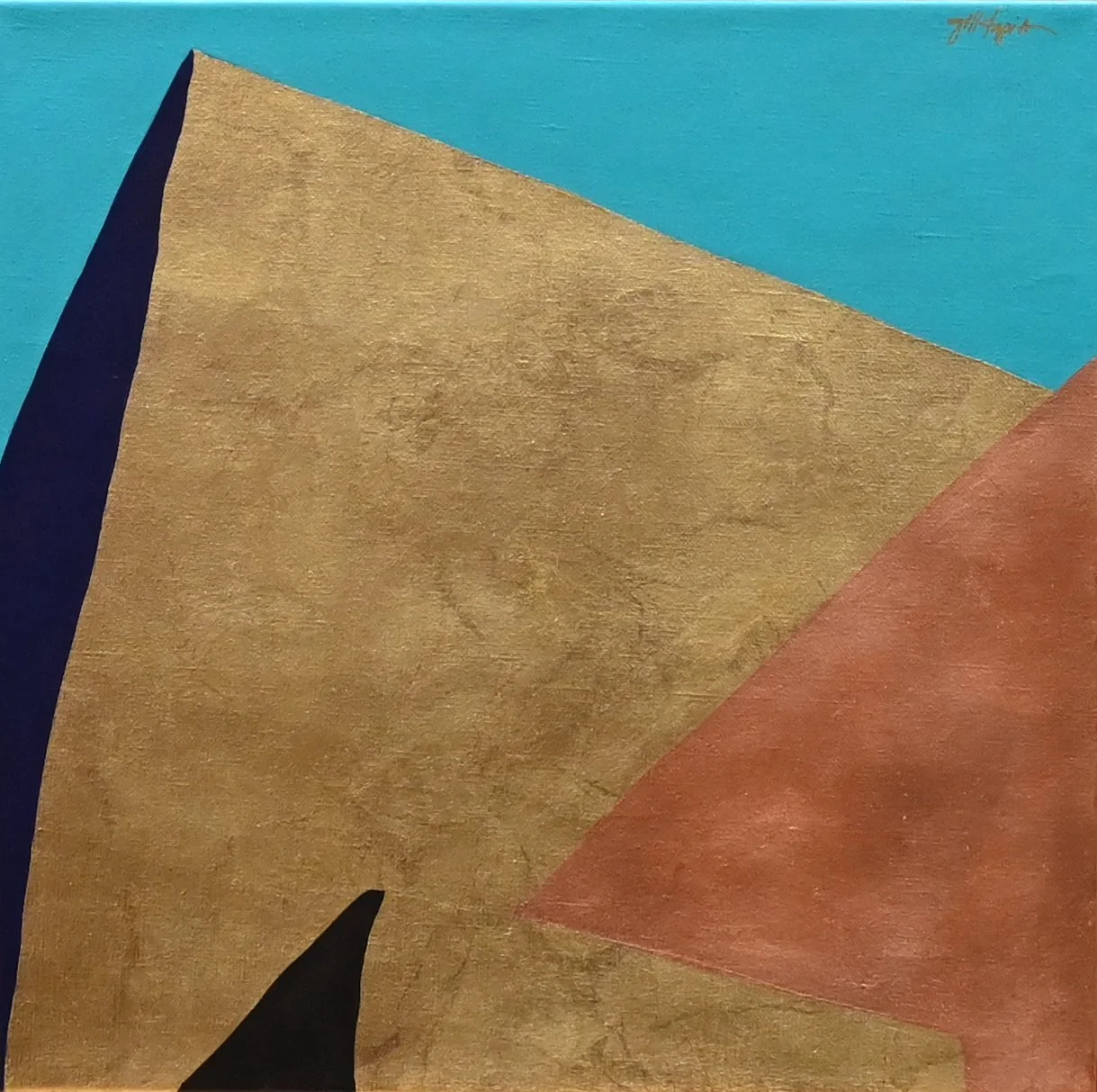
His paintings are best known for their striking, minimalist interpretations of Pueblo and adobe architecture. Using bold color fields and simplified geometric forms, he distills historic churches, mission buildings, and communal structures into their essential visual elements. Rather than focusing on intricate detail, Gill-Tapia emphasizes mood, light, and presence—capturing the quiet monumentality and spiritual resonance of these spaces. Many of his works incorporate gold, silver, or copper leaf, creating luminous surfaces that echo the intensity of the New Mexican sun and the sacred quality of the structures themselves.
Central to his practice is a profound respect for heritage. The buildings he paints are not solely architectural subjects; they are symbols of continuity, community, and cultural memory—places where generations have gathered for worship, celebration, and daily life. His connection to this history is personal: his family has lived in the region for generations, and he continues to reside and work on land tied to that lineage.
Gill-Tapia’s work ultimately functions as both homage and preservation. By translating centuries-old New Mexican traditions into a contemporary visual language, he bridges past and present—honoring an enduring cultural heritage while reimagining it for modern audiences.